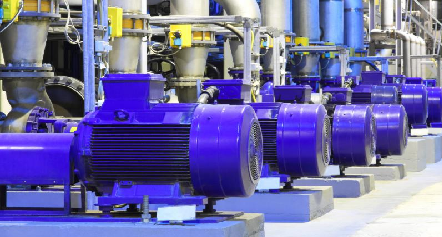
The reliability of rotating machinery, particularly centrifugal pumps, is heavily dependent on the integrity and performance of its bearings. These components are not merely passive supports; they are complex machine elements that define the operational lifespan of the shaft and impeller assembly. While bearing failures can stem from unexpected loading or vibration, a significant portion of service life reduction is attributable to manageable factors such as contamination, lubrication quality, installation techniques, and alignment.
Achieving maximum bearing life requires a holistic approach. It is insufficient to focus on a single variable, such as lubrication, while neglecting others. Research and field experience indicate definite interrelationships between maintenance factors. For instance, excellent lubrication can mitigate damage caused by a certain level of contamination, whereas poorer lubrication will result in accelerated degradation under the same conditions. Consequently, a comprehensive strategy optimizing installation practices, cleanliness, and lubrication is essential to extend bearing life beyond standard norms.
I. Contamination Control and Cleanliness
Contamination is one of the most pervasive threats to bearing longevity. This includes both particulate contamination and water ingress. To understand the severity of particulate contamination, it is critical to visualize the scale of modern bearing tolerances. Typical bearing tolerances are measured in microns. Since bearing clearances often operate within just a few microns, even microscopic particles can cause significant surface damage, leading to fatigue and premature failure.
Maintaining a high level of cleanliness during handling, storage, and installation is non-negotiable. Every component introduced to the bearing environment must be verified for cleanliness. The presence of foreign particles can embed in rolling surfaces, creating stress concentrations that initiate spalling or pitting.
II. Lubrication Strategy and Implementation
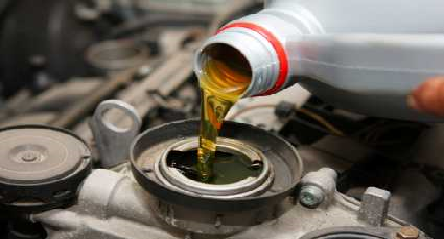
Proper lubrication is the second pillar of bearing life extension. The choice of lubrication method and lubricant type must be aligned with the operating conditions, including speed, load, and temperature.
- Lubricant Type: Selecting the correct grease or oil viscosity is critical. The lubricant must form a sufficient film thickness to separate the rolling elements from the raceways, preventing metal-to-metal contact.
- Lubrication Method: Whether using grease or oil circulation, the delivery method must ensure consistent supply to all critical contact points. Over-lubrication can be as detrimental as under-lubrication, as excess grease can cause churning and overheating.
- Lubrication Analysis: Regular analysis of lubricant condition can reveal early signs of contamination or degradation. In systems where contamination is a risk, superior lubrication can provide a buffer, but it cannot completely compensate for poor sealing or installation hygiene.
III. Installation and Dismantling Techniques
Improper mounting and dismounting are leading causes of pre-existing damage in bearings, which manifests as reduced initial service life. Bearings must be installed using proper tools and techniques that apply force only to the ring being pressed (inner ring for press-fit on shaft, outer ring for press-fit in housing). Using hammers directly on the bearing or applying force through the rolling elements can cause brinelling or micro-cracks. Induction heaters or oil baths are preferred methods for mounting interference-fit bearings, as they allow for uniform thermal expansion without mechanical stress. Additionally, bearings should be handled with clean gloves to prevent corrosion from skin oils and to avoid introducing contaminants.
IV. Component Selection and Support
The selection of bearing components must be based on the specific application requirements. This includes considering the load profile, rotational speed, and environmental conditions. Furthermore, the control of inactive bearing rolling elements is crucial. In certain configurations, or when bearings are stationary, inactive elements can roll and create false brinelling marks if vibrations are present.
V. Housing Support and Alignment
Proper housing support and alignment are vital for distributing loads evenly across the bearing. Misalignment places uneven stress on the raceways and rolling elements, leading to premature fatigue. During installation, alignment should be verified using precision tools, and housing bore dimensions should be checked to ensure correct fit and support. Any distortion in the housing can compromise the radial and axial clearance of the bearing, leading to overheating and failure.
VI. Risk Management for Idle Equipment
Bearings are at risk from exposure to vibration while idle. If machinery is shut down but exposed to external vibrations (e.g., from nearby operating equipment), the rolling elements can create indentations on the raceways, known as false brinelling. To mitigate this risk, idle machinery should be periodically rotated by hand to change the position of the rolling elements, or protective measures such as vibration dampeners should be employed.
VII. Condition Monitoring and Data Interpretation
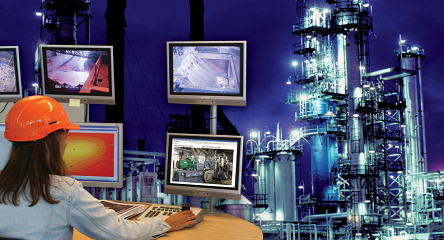
Condition monitoring is an excellent tool for maintaining awareness of bearing health, but its value is contingent upon correct implementation and interpretation. When analyzing vibration spectra, it is important to look for peaks at bearing fault frequencies. However, one should also check for multiples of these frequencies. The presence of peaks at multiples of a fault frequency is a strong indicator of a bearing defect, even if the fundamental fault frequency peak is not dominant. The amplitude of identified peaks helps determine the severity of the problem. The most effective method for assessing severity is comparing current data against past history of the same machine. This trend data reveals how quickly a problem is evolving. Comparing against similar machinery can also provide context.
Experience plays a key role in determining whether a specific peak requires immediate action or merely monitoring. Alert and alarm levels are often set based on historical data and experience with similar equipment.
Conclusion
Ensuring maximum bearing life is not a simple task; it requires the optimization of multiple interconnected factors. There are definite interrelationships between cleanliness, lubrication, installation, and alignment. For example, while excellent lubrication can minimize damage from contamination, it cannot fully compensate for poor cleanliness or improper mounting.
By focusing on good solid installation practices, maintaining high awareness of cleanliness, and ensuring proper lubrication requirements, organizations can significantly extend bearing service life. Furthermore, effective condition monitoring, when interpreted correctly using historical trend data and spectral analysis, provides early warning of potential failures, allowing for proactive maintenance rather than reactive repairs. A comprehensive approach that addresses all these aspects is the key to achieving reliability and maximizing the economic life of rotating machinery components.